
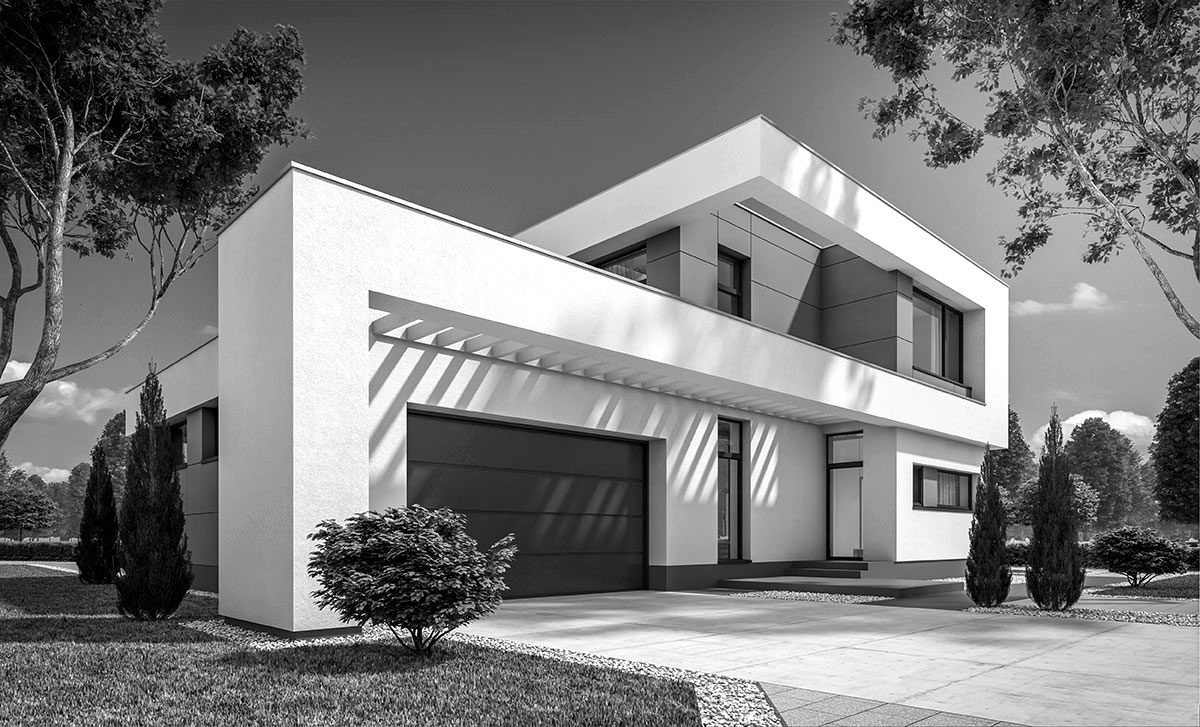
Unitex. Australia's original EIFS, with BAL-40.
Uni-Base Board is a factory-coated EPS sheet with two current CodeMarks, a BRANZ appraisal and the only BAL-40 pathway among the EPS systems we install.
- Sheet2400 × 1200 mm, factory-meshed and coated
- Thickness50 mm (M grade), 75 and 100 mm (SL grade)
- SystemsNon-cavity direct fix, or 20 mm EPS batten cavity
- WindUp to N4 non-cavity, up to N3 cavity
- BushfireBAL-29 at 9 mm render, BAL-40 at 17.5 mm render
- ThermalBoard R1.22 / R1.67 / R2.22
- ClassesNCC Class 1 and 10
- CertificationCodeMark CM70007 (Bureau Veritas) and CM-AUS-80002 (BRANZ); BRANZ Appraisal 758
- Warranty7 years product
- Queensland supplyBretts, Big River and Crowntex trade centres
What it is
Unitex started in Melbourne in 1983 and has been rendering foam ever since. Uni-Base Board arrives with a polymer render and mesh already on the face, stamped with a batch number, so what goes on the frame is a coated sheet rather than raw foam. Site work is the patching, the Base Board Render build coat, the texture and the Uni-PTC acrylic topcoat.
It is the best-documented EPS system of the four we install, and the one with a route to BAL-40.
System build-up
- Unitex breathable wrap, flashing tape at every lap and opening
- Unitex Levelling Base Block at the base of wall (mandatory for BAL), or aluminium starter channel
- EPS cavity battens and perforated closer on the cavity system
- Uni-Base Board fixed horizontally in staggered bond across at least four studs, eight fixers per square metre, screws plus 50 mm HDPE washers
- Uni-304 stainless or aluminium angles bedded in meshed Polymer Render at corners and openings
- IM-250 mesh over every joint, Uni Dry Cote Base Board Render at 5 to 10 mm
- Uni-Trowel Décor or Dry Cote texture, then Uni-PTC sealer and two coats
Where it fits
Bushfire-prone lots rated BAL-40, where the 17.5 mm render build-up with Unitex sign-off is the only lightweight answer. Coastal and high-rainfall sites where the drained cavity system earns its keep on complex junctions, parapets and recessed windows. Any Class 1 house where the builder wants two certificates and an appraisal behind the facade.
Limits to design around
EPS is combustible, so no FRL and no walls within 900 mm of a boundary or 1.8 m of another building. The cavity system is limited to N3 and two storeys plus gables, which rules it out on exposed N4 sites on the coasts. Control joints at 6 m maximum in both directions and every floor level. Topcoat colour LRV must stay at or above 40 percent. Hot work only after every panel is rendered.
Certification and evidence.
What the certificate covers, and what we hand over to prove the installation matches it.
Two CodeMark certificates are current and held by Sto Australia: CM70007 Rev 5 (non-cavity, Bureau Veritas, NCC 2022 Volume Two, Class 1a and 1b, up to N4) and CM-AUS-80002 Rev 5 (cavity, BRANZ, Class 1 and 10, up to N3). Bushfire performance is from Warringtonfire assessments FAS230014-A (BAL-40) and FAS230014-B (BAL-29). BRANZ Appraisal 758 covers the cavity system to three storeys.
The certificates require applicators trained by Sto Australia and a final inspection by a Unitex technical representative on BAL work. We book that inspection and hand over the signed warranty, which is the conformance document a surveyor will ask for.
How we fix and render it.
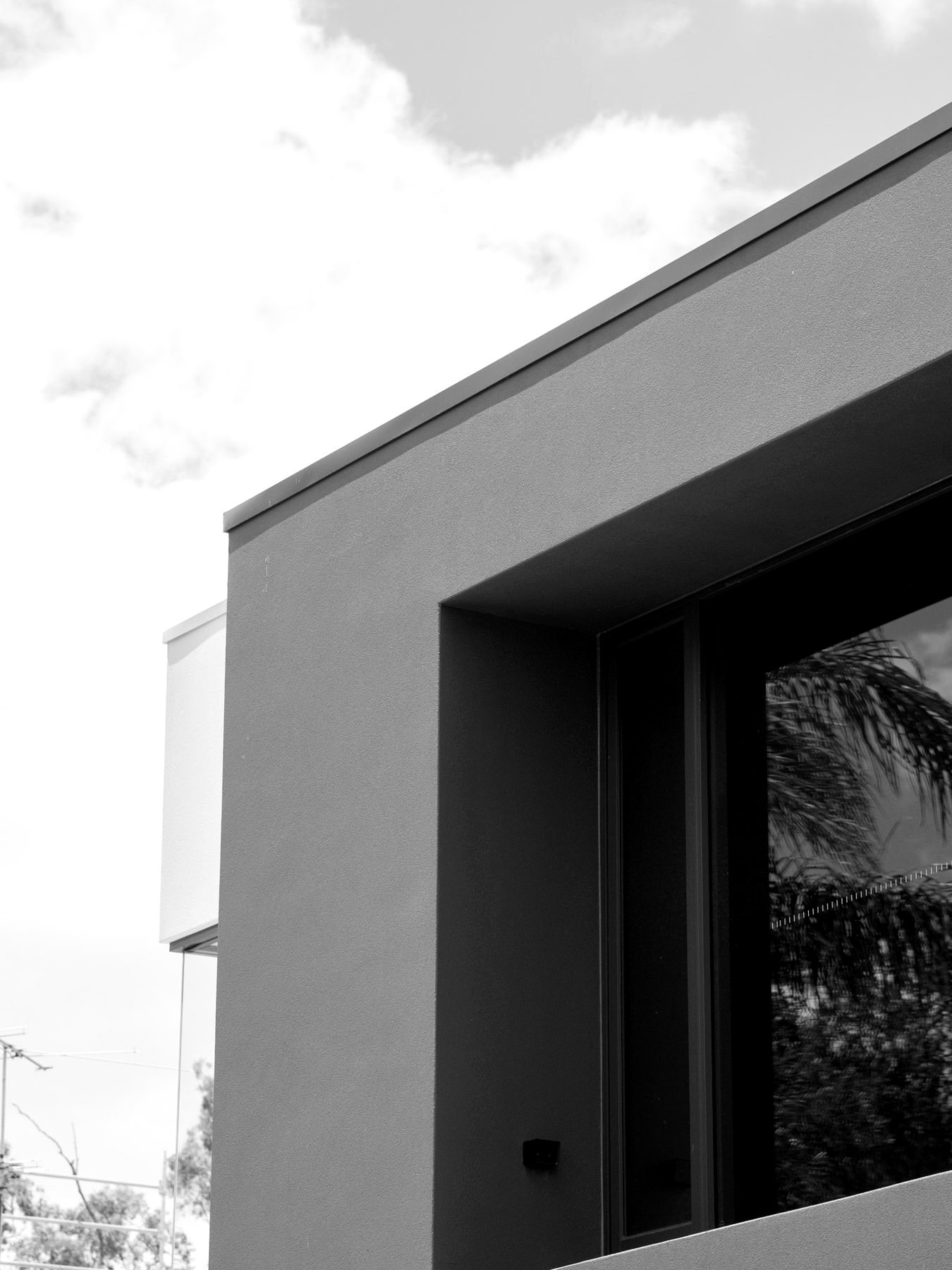
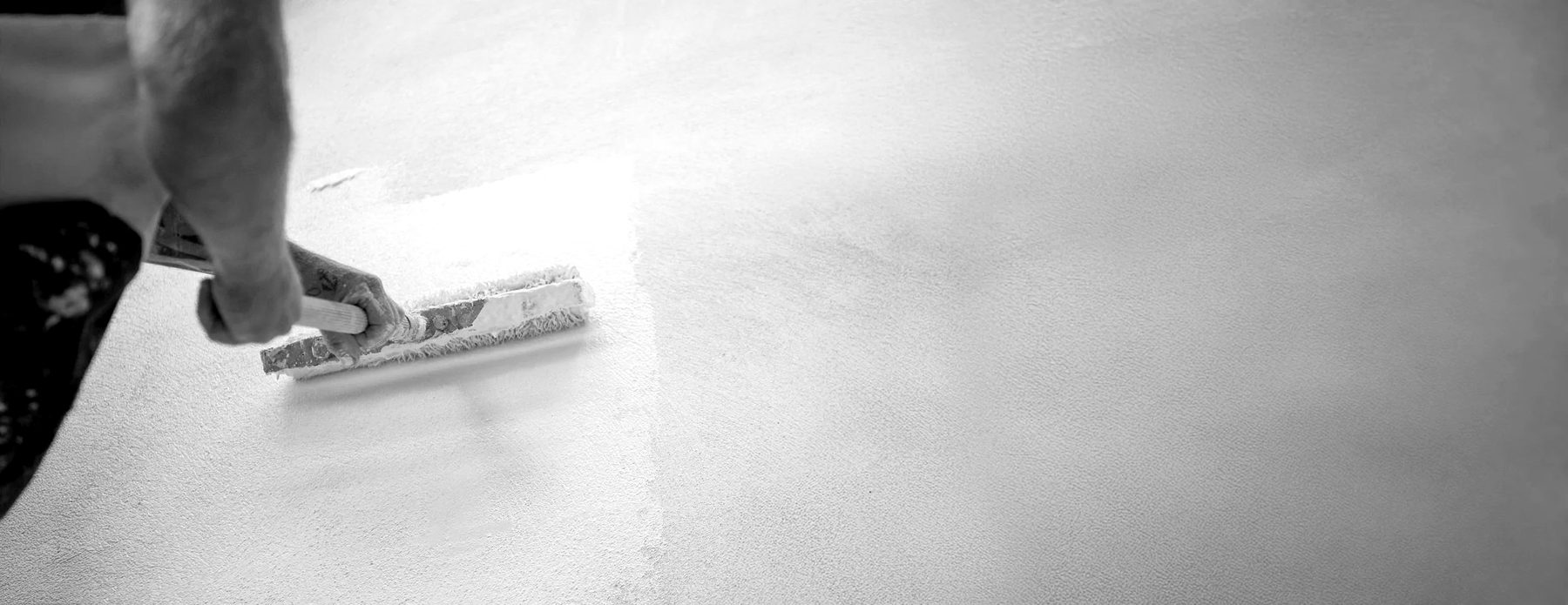
Timber at 24 percent moisture or less, studs set out at a division of 2400 mm so each sheet lands on four studs. Sheets go on bottom-up with gun foam on the front half of every edge and washers indented 5 mm then flush-stopped. Seventy-two hours between each coat, with the wall checked at 12 percent moisture before the next. Control joints are cut into the dry render to three-quarters of the EPS depth and sealed with Uni-Shape. BAL-40 render goes on in a single pass of lightweight BBR 8.5 to the full thickness.
Warranty and maintenance
Seven years, site-specific, for defective product replacement, signed by both Unitex and the accredited installer. Annual low-pressure wash and inspection, prompt crack repair, sealant replacement when it deteriorates and a Uni-PTC recoat every seven to ten years at an LRV of 40 or more keep it valid. Expansion joint placement is excluded from the warranty, so we agree it with your engineer before we start.
Manufacturer documents.
Linked to the manufacturer's own hosting so you always get the current revision. Our own guides are on the resources page.
- Non-Cavity Technical ManualOpen PDF
- Cavity Technical ManualOpen PDF
- CodeMark CM70007 Rev 5, non-cavityOpen PDF
- CodeMark CM-AUS-80002 Rev 5, cavityOpen PDF
- BRANZ Appraisal 758Open PDF
- Warringtonfire BAL-40 summary FAS230014-AOpen PDF
- Warringtonfire BAL-29 summary FAS230014-BOpen PDF
- Base Board Render BBR 8.5 TDS and SDSOpen PDF
Basroc
Non-combustible, fire-rated to 90/90/90, BAL-FZ, silica-free. The substrate for boundary walls, fire-separation zones and anything that needs an FRL.
System page →CSR Hebel
Solid steel-reinforced aerated concrete on top hats. Non-combustible, FRL to 180/180/180, BAL-FZ, cyclonic to C3 and a 20-year CSR warranty. The masonry feel without the bricklayer.
System page →Sto
The German EIFS pedigree, delivered in Australia through Sto Australia. Specified where the project calls for the Sto system and the StoWarranty.
System page →NRG Greenboard
Made at Yatala, stocked everywhere in South East Queensland, CodeMark-certified for Class 1 and 10 and the value option for volume housing.
System page →Dulux Exsulite
The Dulux-backed cavity system with the AcraPro, Acratex and AcraShield coating stack and the Dulux Trade Centre network behind it.
System page →